

Leanne Penny, MFT Intern
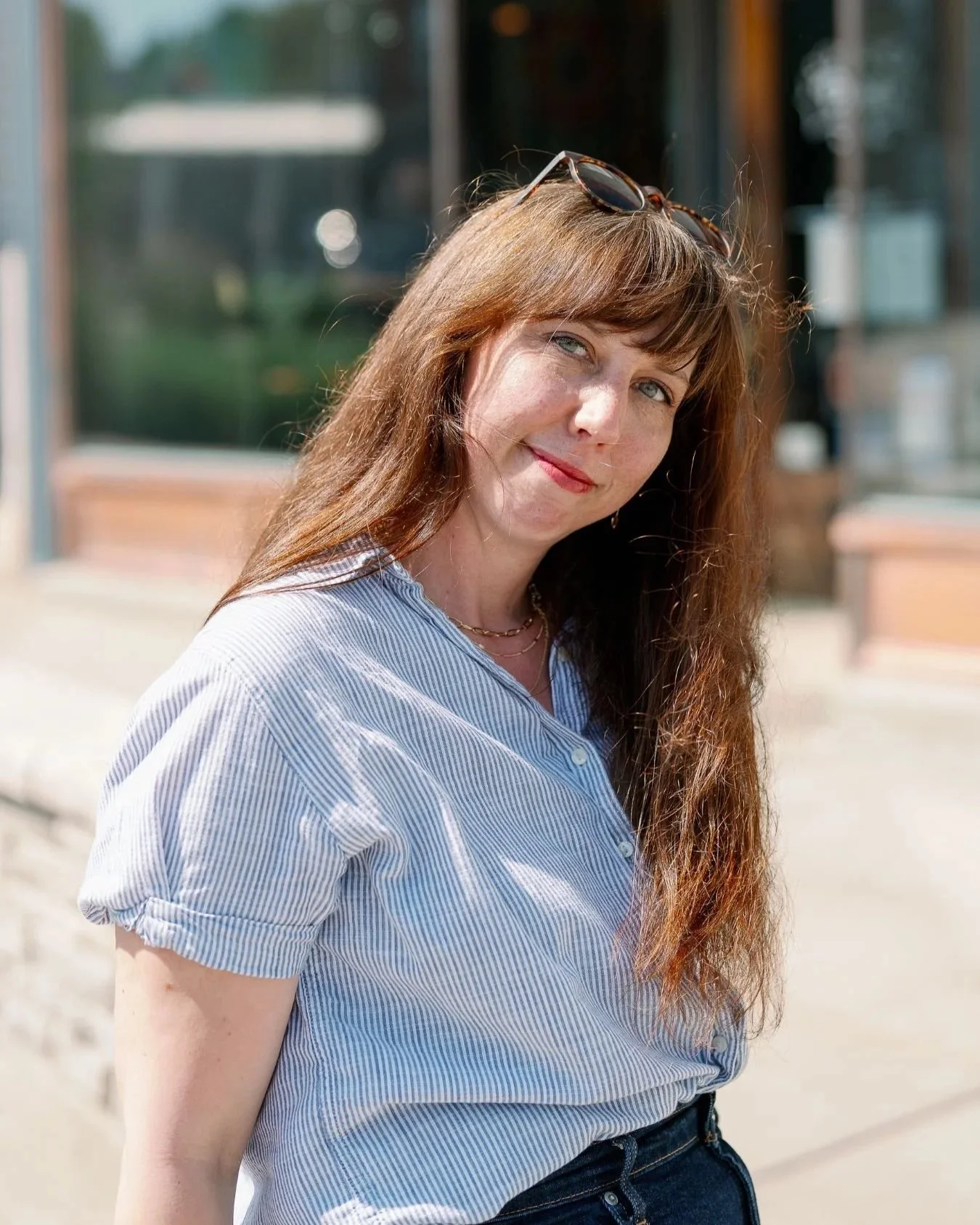
The relationship between therapist and client is a powerful catalyst for self-awareness. Therapy provides a space to look back at your past and understand how early experiences and relationships shaped who you are today. While the past cannot be rewritten, understanding your story is crucial to making sense of how you currently navigate the world. As that picture comes into focus, we work together to build new skills, habits, and perspectives that help you thrive.
I approach therapy with curiosity and collaboration. My role is to create a safe, respectful environment where you are met without judgment, exactly as you are. I pay close attention not just to your words, but to what lies underneath them, and I bring warmth and humor into the room because healing does not have to be heavy all the time.
As a neurodivergent therapist, I understand the vital need for couples and families to connect in ways that actually work for each member. I help honor different processing speeds and communication styles so that every person's unique needs and challenges are met. Left unaddressed, family misunderstandings and disconnection can lead to long-term fractures, such as estrangement. When families learn to understand each other, they can reset their relational cycles and stay connected throughout the lifespan. One of my favorite principles from family systems work is that there are as many families as there are family members; no two perspectives are identical, and every single one must be taken into account for real healing to happen.
My clinical training draws from Family Systems Theory, the Gottman Method, Dialectical Behavior Therapy (DBT), Narrative Therapy, and Emotionally Focused Therapy (EFT). This orientation allows me to see individuals within the context of their relationships, addressing both surface patterns and underlying emotions to support lasting change. With a background that includes play therapy with elementary-aged children in public schools, I deeply love partnering with kids and families to help them find their way back to one another.